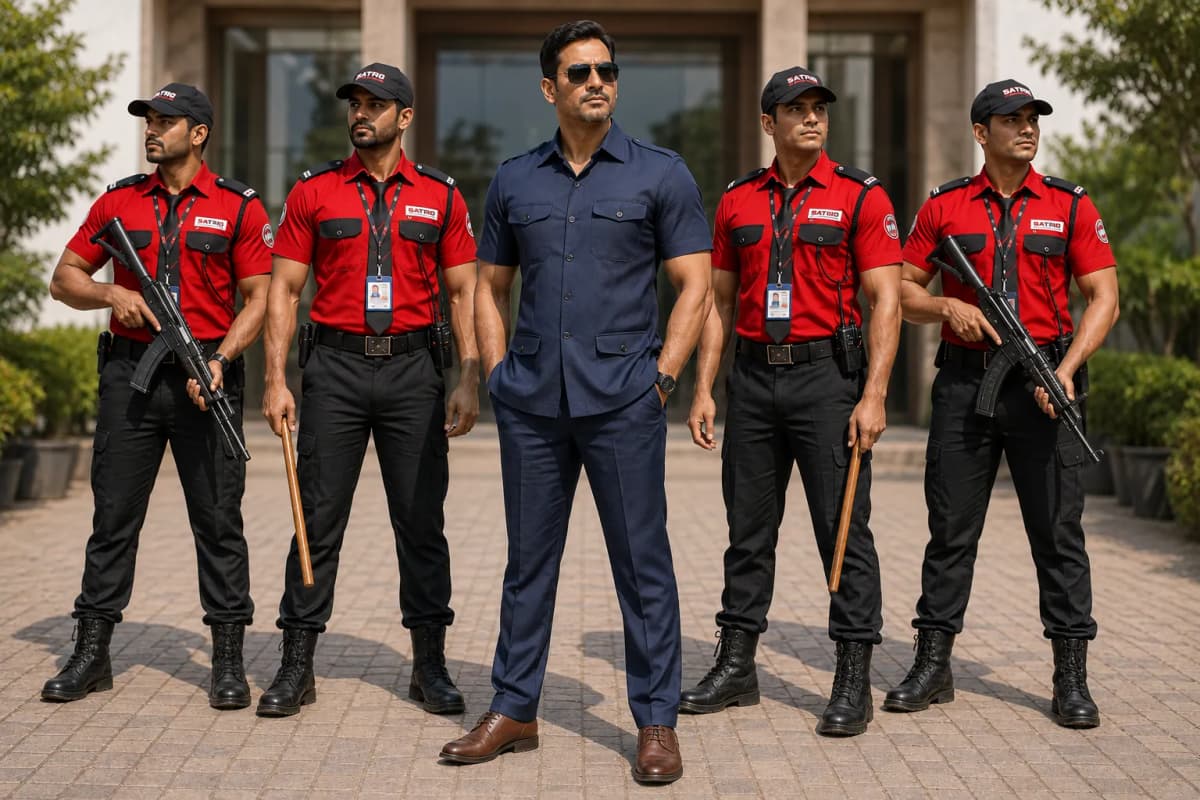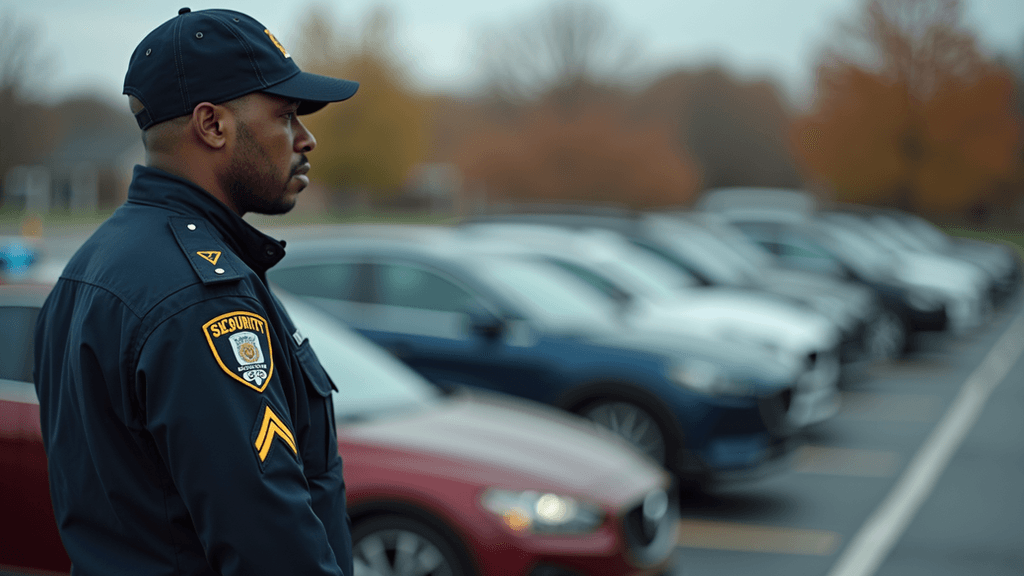
The security guard’s role has expanded from patrolling and reporting into conflict resolution, emergency response, and technology operation. Rising crime, health crises, and specialised demands are driving growth in the profession, while training and human judgement remain decisive even as technology advances.
Key takeaways
- Guard responsibilities now include first aid, de-escalation, and emergency procedures.
- Rising urban crime has driven sustained demand for professional security.
- Guards increasingly operate surveillance and access-control technology.
- Specialised sites — hospitals, events, residential — need tailored training.
- Technology augments guards, but human judgement remains essential.
A role that has evolved
The job of a security guard has changed dramatically. Where it once centred on patrolling, responding to alarms, and documenting incidents, today it spans conflict resolution, first aid, and emergency procedures — so guards can act decisively when it matters most.
As surveillance systems and access controls have advanced, guards are increasingly expected to analyse data from cameras and response technologies, positioning them not just as protectors but as skilled users of modern security systems.
Rising crime, rising demand
Rising crime in urban environments has been a major driver of demand for security guards. As theft, vandalism, and violence affect more areas, both individuals and businesses seek reliable solutions.
The emphasis has shifted firmly to training and experience. A well-trained guard measurably reduces risk — businesses that bring in professional guards often report a marked drop in theft and vandalism within the first year.
New responsibilities in a post-pandemic world
The COVID-19 pandemic reshaped the role. With health and safety front of mind, guards took on crowd control and the enforcement of health regulations in shopping centres, hospitals, and event venues.
That adaptability underlines a broader truth: the responsibilities guards carry keep expanding as they respond to new and unexpected challenges.
Technology, training, and specialisation
Automation and artificial intelligence will keep reshaping security work — some firms are already exploring drones for surveillance. Yet human oversight remains vital: technology can monitor and detect, but it cannot replicate judgement and empathy.
That is why training and certification matter more than ever, and why specialised settings such as hospitals demand guards trained to handle sensitive situations calmly. The future belongs to skilled, adaptable personnel who pair technical fluency with sound human judgement.
Frequently asked questions
How has the role of security guards changed?+
It has expanded from patrolling and incident reporting into conflict resolution, first aid, emergency response, and the operation of surveillance and access-control technology. Guards are now central to safety management, not just crime deterrence.
Will technology replace security guards?+
No. Technology such as AI surveillance and drones augments security work, but it cannot replicate human judgement and empathy. The demand is shifting toward skilled guards who can manage technology and make sound decisions under pressure.
Need a security partner you can trust?
Tell us about your site and we'll put the right people on it.
Get in touch